
Hair Loss from Tight Styles: Traction Alopecia Cause, Prevent, and Reduce

HIGHLIGHT
- Understanding Traction Alopecia
- Common Tight Hairstyles Associated with Traction Alopecia
- Signs and Symptoms of Traction Alopecia:
- Tips to Minimize Risk While Still Enjoying Tight Hairstyles
- When to Seek Professional Help?
Traction Alopecia: Causes, Symptoms, and Prevention
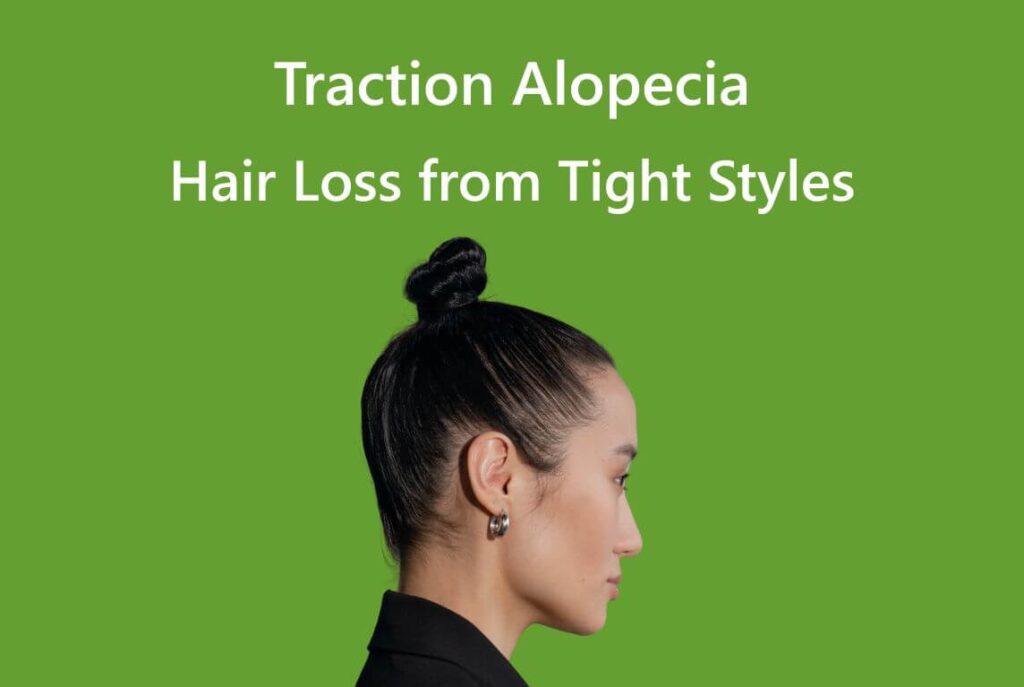
Traction Alopecia is a type of hair loss caused by repetitive or prolonged tension on the hair follicles. It commonly occurs in people who frequently wear tight hairstyles. While many hairstyles may look stylish, constant pulling can damage the scalp and hair follicles, leading to hair thinning or hair loss over time.
Understanding Traction Alopecia
The hair follicle is a delicate structure responsible for producing new hair strands. When the hair is constantly pulled, the follicles can become inflamed and weakened. Over time, this repeated stress may cause hair to break, thin, or fall out.
In the early stages, traction alopecia can often be reversed by reducing tension on the scalp and improving scalp care routines. Early-stage traction alopecia can often be reversed with proper Scalp Care and reducing tension, but severe cases may cause permanent follicle damage.
- Common Tight Hairstyles Associated with Traction Alopecia
- Certain hairstyles can increase the risk of traction alopecia when worn too tightly or too frequently.
- Tight Braids
Styles like cornrows, box braids, micro braids, or tight French braids create continuous tension, weakening follicles. Learn how Hair Loss Treatment can support hair growth. - Ponytails and Buns
Daily high ponytails or tight buns stress the hairline and temples. Protect your scalp with Pre-Shampoo treatments before styling. - Dreadlocks
Although often worn long-term, dreadlocks installed or maintained too tightly at the roots can place ongoing tension on the scalp. - Hair Extensions and Weaves
Improperly installed or overly tight extensions can pull natural hair, causing breakage. Consider Hair Volumizing Shampoo 400ml to strengthen hair. - Barrettes and Hairbands
Even simple accessories like barrettes, clips, or tight hairbands can cause localized traction if worn tightly or repeatedly in the same area.
Signs and Symptoms of Traction Alopecia
Early detection is important to prevent permanent hair damage. Common signs include:
- Receding hairline, especially around the temples and forehead
- Hair thinning in areas where hair is pulled frequently
- Small bumps or pustules caused by follicle inflammation
- Scalp tenderness, itching, or pain
- Broken or short hairs around the hairline
Tips to Minimize Risk While Enjoying Tight Hairstyles
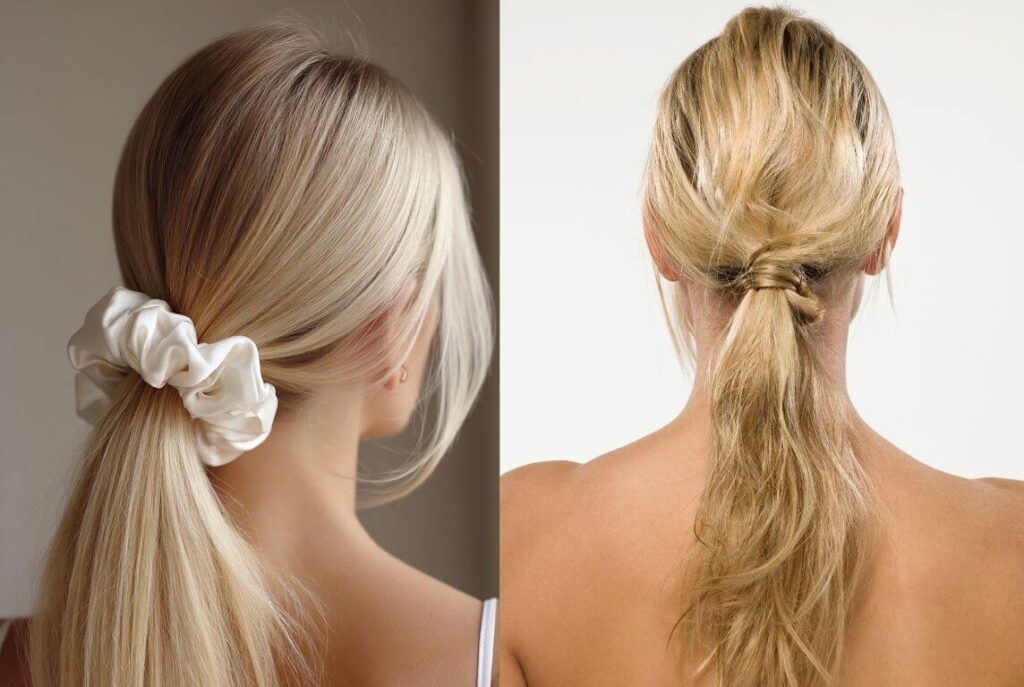
Don’t Pull Hair Too Tight – Avoid excessive tension. If styling hurts, it’s too tight.
Vary Hairstyles – Rotate between tight and loose styles.
Choose Looser Styles – Opt for looser braids or lower ponytails.
Limit Wear Time – Give hair breaks between extensions or braids.
Be Gentle When Styling – Brush carefully, especially near the hairline.
Use Hair-Friendly Accessories – Soft fabric hair ties instead of metal clips.
Moisturize Hair and Scalp – Maintain elasticity and reduce breakage using Herbal Scalp Care Spray 115ml.
Consult a Professional Stylist – For braids or extensions, work with stylists knowledgeable about scalp health.
When to Seek Professional Help
If you notice significant hair loss, scalp inflammation, or persistent thinning, consult a dermatologist or trichologist. Treatments may include:
- Topical medications
- Scalp therapy
- Hair growth solutions such as Shampoo and Conditioner
FAQs – Traction Alopecia
What is traction alopecia?
A type of hair loss caused by continuous pulling on follicles from tight hairstyles like braids, ponytails, buns, and hair extensions.
Can traction alopecia be reversed?
Yes, in early cases. Reduce tension, change hairstyles, and maintain a healthy Scalp Care Routine. Severe damage may be permanent.
Which hairstyles cause traction alopecia?
Tight braids, cornrows, ponytails, buns, dreadlocks, hair extensions, and tight hairbands.
How can I prevent traction alopecia?
Wear looser hairstyles, rotate styles, reduce tension, and follow Pre-Shampoo and scalp care routines.
When should I see a doctor for traction alopecia?
If you notice persistent hair thinning, scalp pain, inflammation, or a receding hairline, consult a dermatologist or hair specialist.